
Can one pad printing machine print logos on different materials? This application demonstration shows the SANJIN SU-125 compact single-color pad printing machine transferring markings onto white paper, yellow fabric, teal fabric, black fabric and a brown sheet. The footage shows actual pad printing tests and the resulting markings on five samples.
Pad printing transfers ink from an etched cliché plate to a workpiece using a flexible silicone pad. The process can be suitable for small logos, lettering and identification marks when the substrate, ink, pad shape and product support are correctly matched. Fabric must be held flat and supported consistently so that folds or movement do not interfere with the transfer.
The SU-125 uses a 90 mm sealed ink cup and has a specified maximum printing area of 80 × 80 mm. It is a single-color machine. A different printing job may require a new cliché, silicone pad, suitable ink or holding fixture rather than a different machine, provided the application fits its working range.
These demonstrations illustrate print transfer on the samples shown; they do not establish wash resistance, abrasion resistance or compatibility with every textile or coated material. Production suitability should be confirmed by sample testing. Send SANJIN your product photos, dimensions, material details and artwork to evaluate the appropriate printing configuration.
Real print tests on five samples · Watch on YouTube
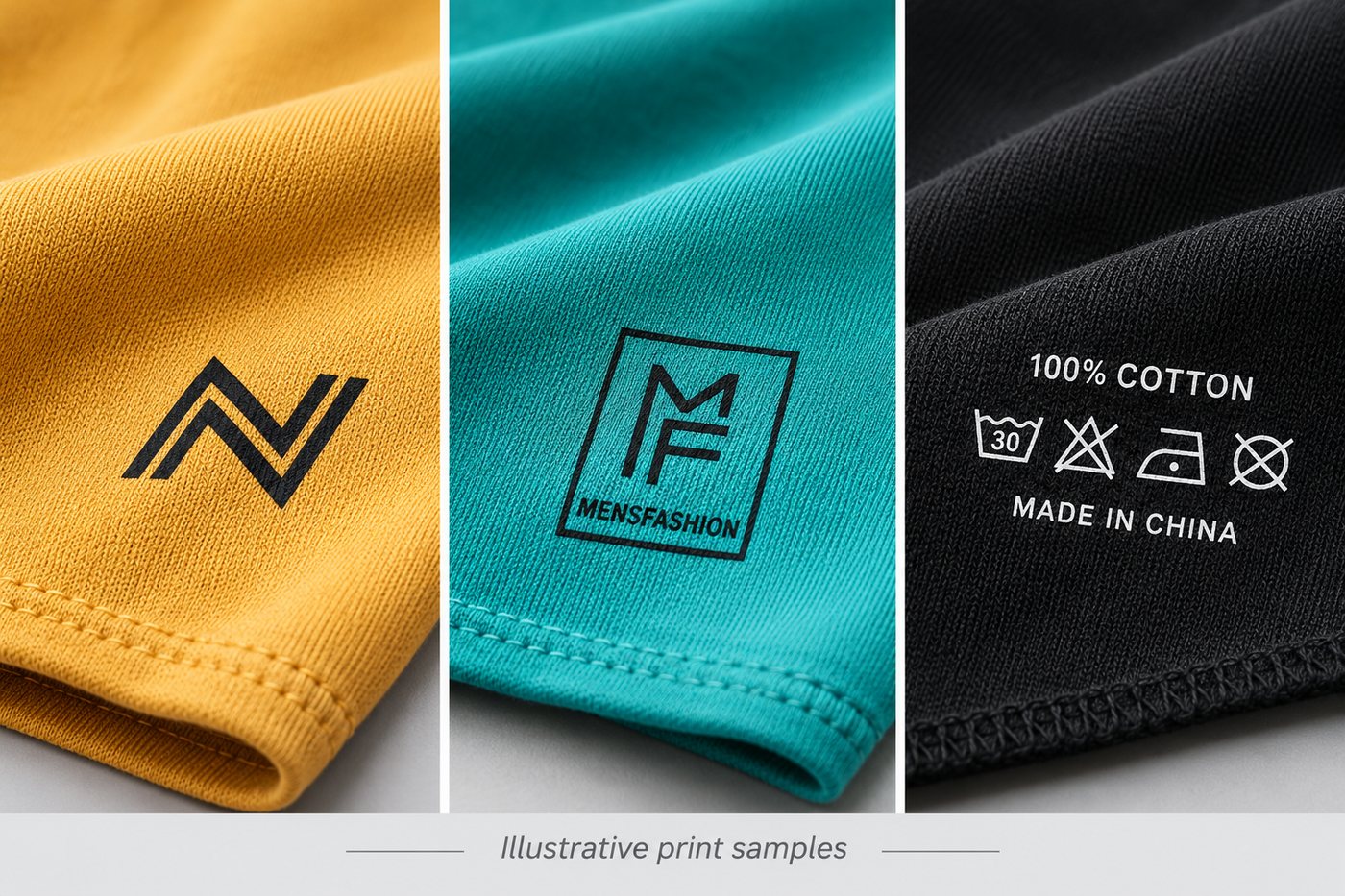
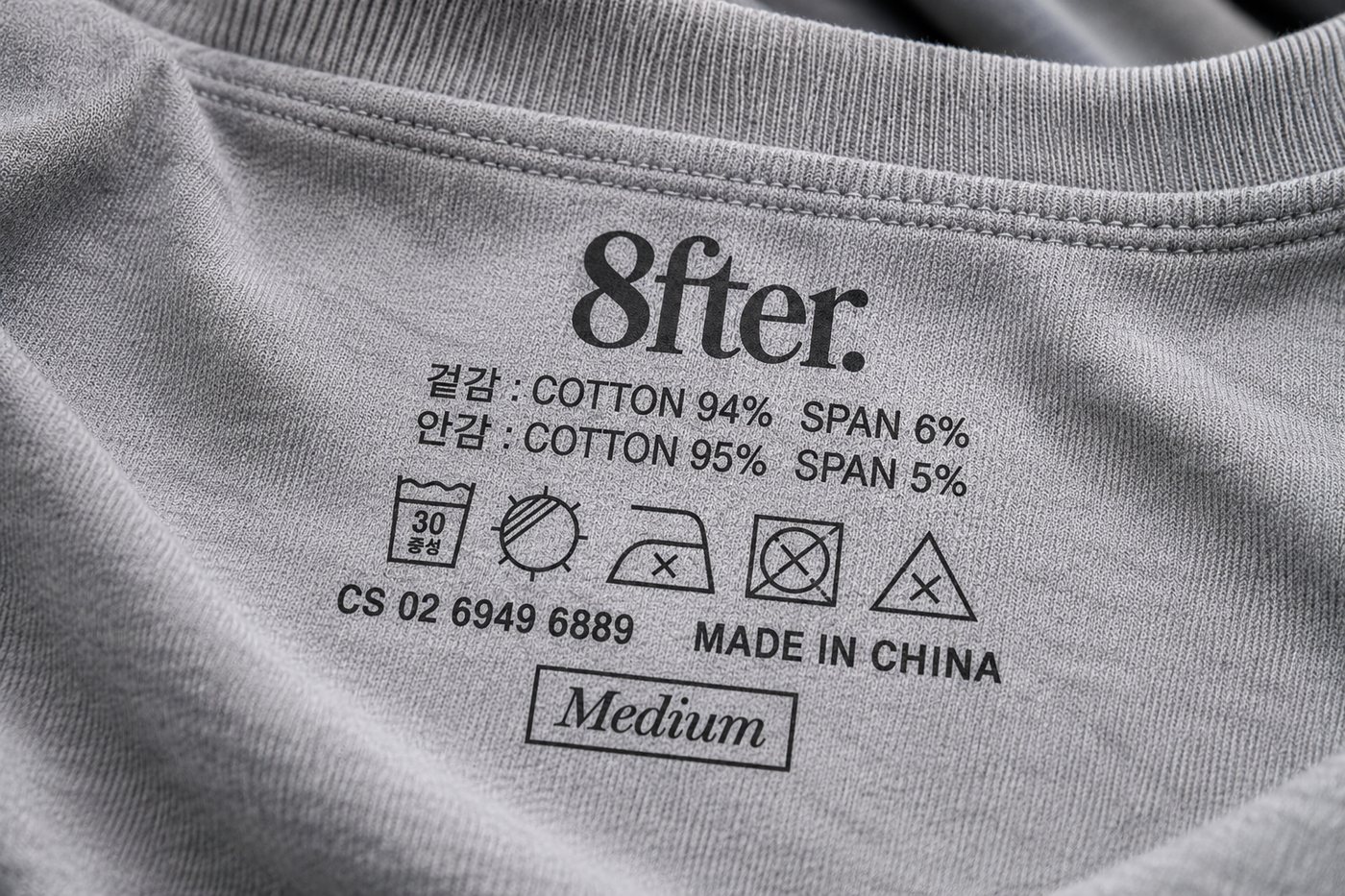
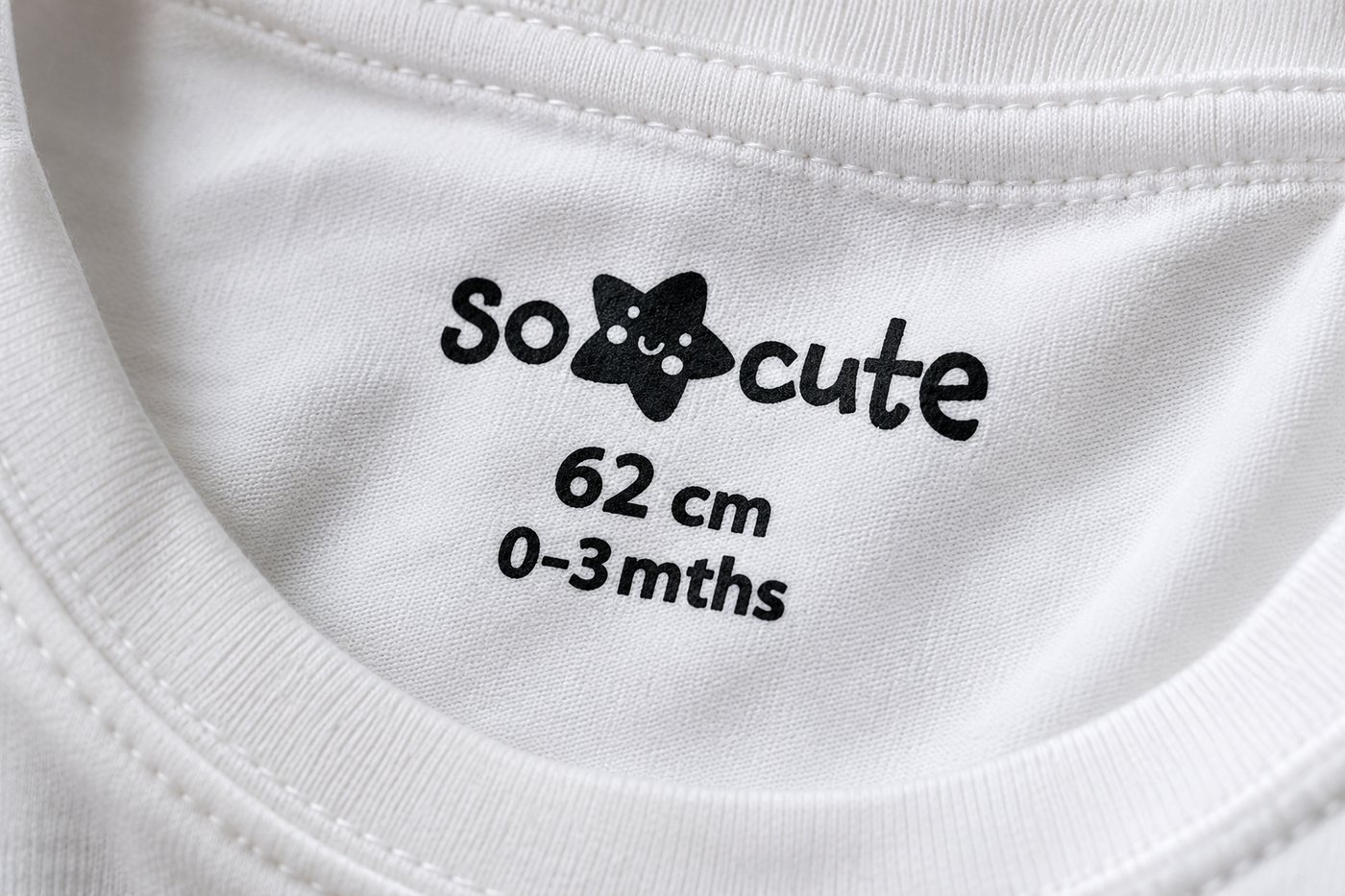
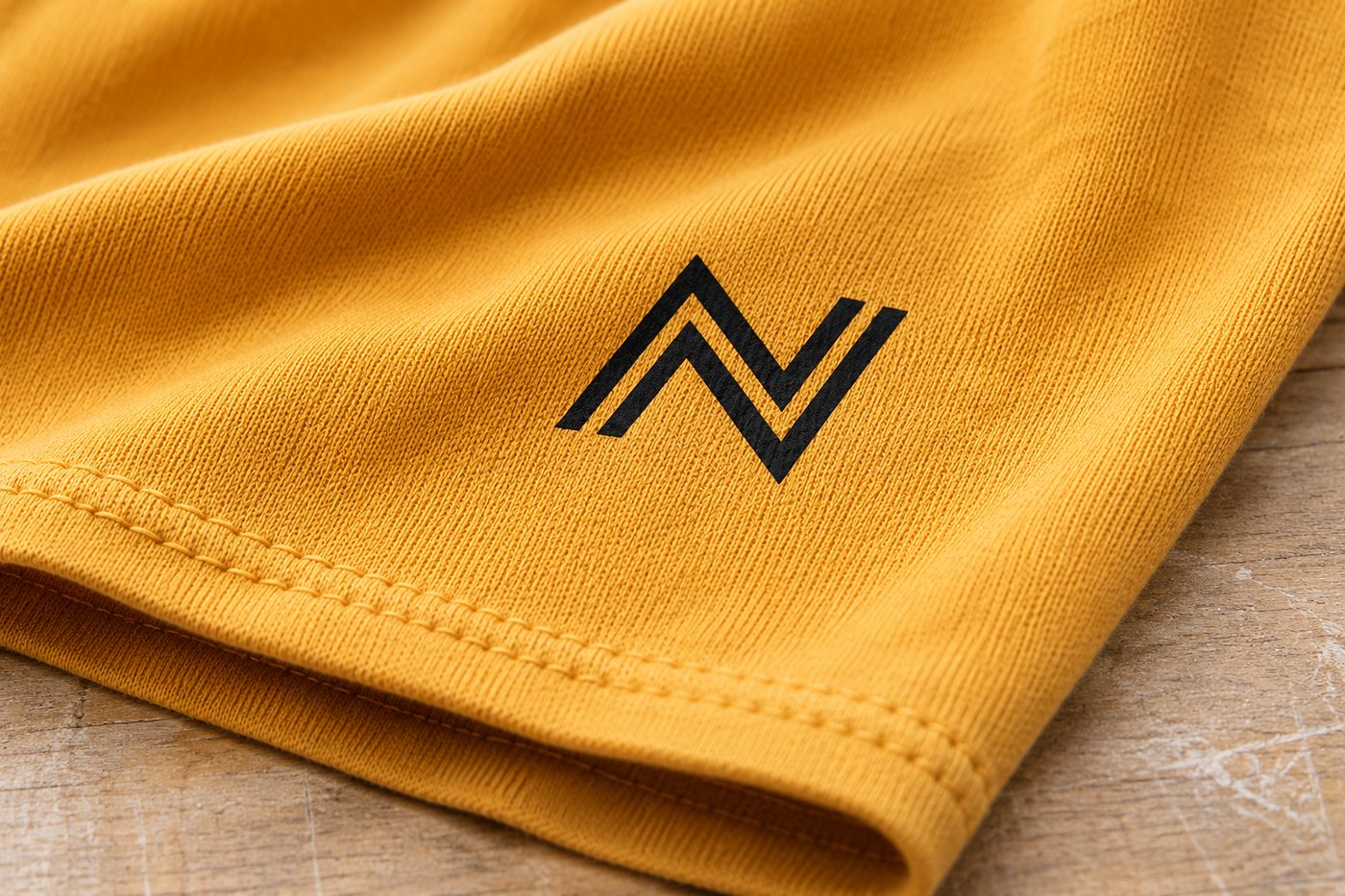
Logos and care labels pad printed with the SU-125 on knit fabrics and T-shirt collars · click an image to enlarge
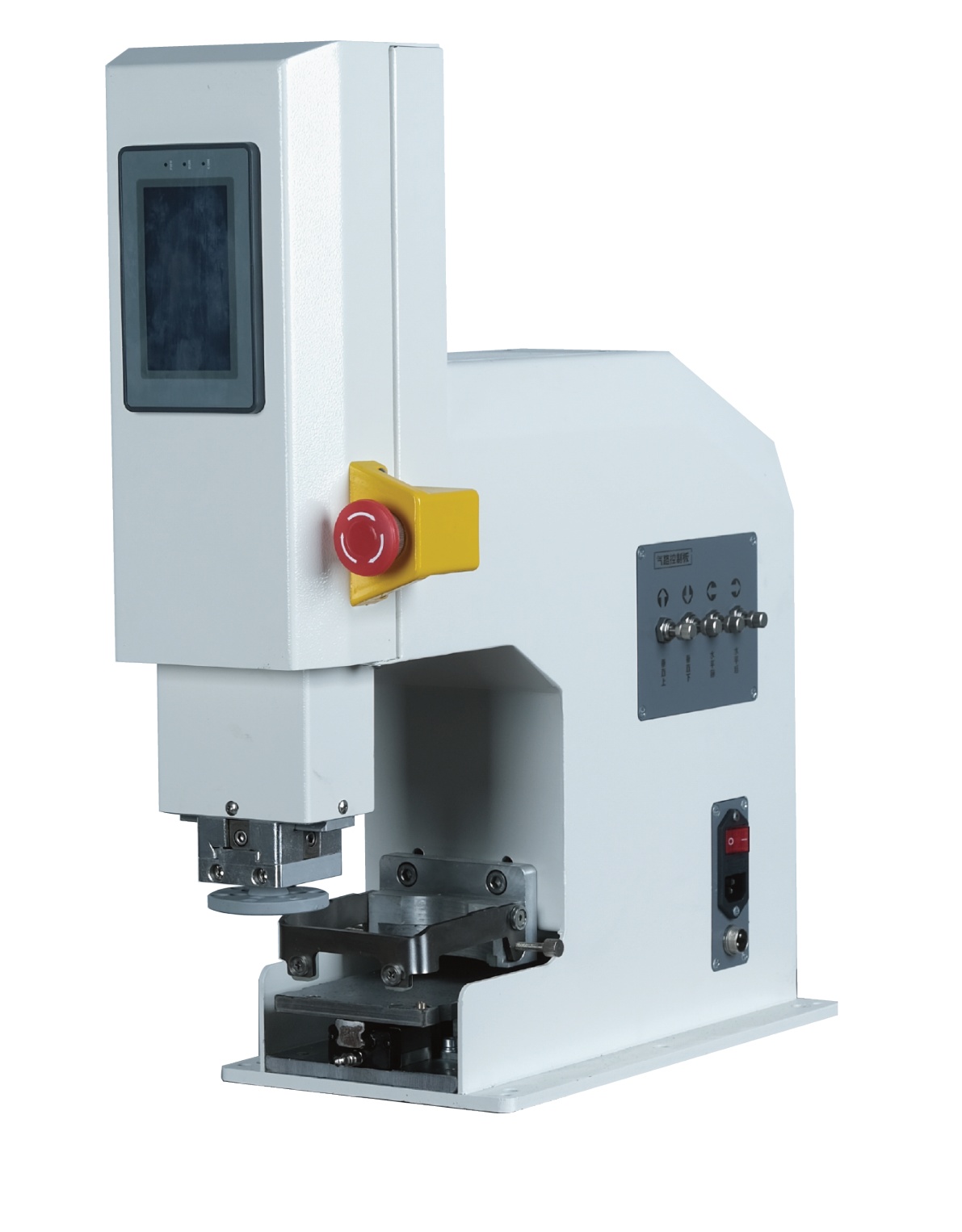
| Specification | Value |
|---|---|
| Model | SU-125 |
| Printing colors | 1 |
| Ink cup diameter | Φ90 mm |
| Cliché plate size | 234 × 100 mm |
| Max. workpiece diameter | Φ100 mm |
| Max. print area | 80 × 80 mm |
| Standard printing speed | 2,400 pcs/h |
| Air consumption | 24 L/min |
| Air pressure | 4–6 bar |
| Vertical stroke | 100 mm |
| Horizontal stroke | 150 mm |
| Power supply | 220 V / 110 V, 50/60 Hz, 50 W |
| Packing dimensions | 650 × 370 × 650 mm |
| Packing weight | 40 kg |
The standard printing speed is a catalog specification, not a guaranteed production output. Actual output depends on loading, positioning, drying and inspection requirements. The machine requires compressed air.
What products can the SU-125 pad printer print on?
The supplied demonstrations show single-color markings on fabric, white paper and a brown sheet. Gloves, textile labels, selected plastic components and selected metal parts are additional applications that may be evaluated through sample printing. Suitability depends on dimensions, surface condition, ink adhesion and fixture design.
Can a pad printing machine print directly on fabric?
Yes, suitable fabrics can be pad printed. The video demonstrates three different fabric colors. Consistent support, appropriate ink and a suitable silicone pad are important. Different fibers, coatings and textures require testing.
Can the SU-125 print garment neck labels, care labels or gloves?
Small logos and text may be evaluated for these applications. Final suitability depends on the actual material, print area, feel and required durability. The present demonstration does not establish washfastness or abrasion resistance.
What is the maximum print size, and can it print two colors?
The SU-125 specification lists an 80 × 80 mm maximum print area and a 90 mm ink cup. It is a single-color machine. The usable artwork size depends on the pad and surface geometry. A dedicated multi-color configuration should be evaluated for sequential two-color printing in one loading.
Do I need a different machine for every product?
Not necessarily. A compatible job may be handled by changing the cliché, pad, ink or fixture and adjusting the process. Product clearance, print dimensions and substrate requirements must be checked first.
Can the machine produce 2,400 finished pieces per hour?
The catalog lists 2,400 pieces per hour as the standard printing speed. Actual finished output depends on loading, positioning, print timing, drying and quality inspection. The edited demonstration is not a continuous production-speed test.
When should I choose pad printing instead of screen printing for fabric?
Pad printing can be considered for small graphics or selected surface geometries. Screen printing is often better suited to larger graphics on flat textiles or applications needing a particular ink deposit. Material and artwork testing should guide the final choice.
Can the same ink be used on fabrics of different colors?
That depends on substrate compatibility, color contrast, opacity and durability requirements. Light markings on dark fabrics should be tested with the intended ink and curing process.
Wenling Sanjin Printing Equipment Co., Ltd. (SANJIN) manufactures pad printing, screen printing, hot stamping and heat transfer equipment in China. Send us your product photos, material, dimensions and logo artwork for machine selection and sample-printing evaluation.